


Introduction: Understanding Earthing and Its Health Potential
Earthing, or grounding, is the simple act of making direct skin contact with the Earth—through grass, soil, sand, or water—or using a conductive surface designed to connect you to a grounded source. The goal of daily earthing for health is to offset our insulated, indoor lifestyles and encourage a calmer nervous system, steadier energy, and more restful nights. Many people start with outdoor routines, then add indoor grounding methods to stay consistent when weather, schedules, or mobility make outside time difficult.
Early research, including small controlled studies, suggests potential benefits such as improved sleep quality, shifts toward more balanced nighttime cortisol patterns, better heart rate variability, and reductions in self-reported pain and stress. Proposed mechanisms include the transfer of free electrons that may help neutralize excess free radicals, along with improved autonomic balance and circadian cues. While the evidence base is still developing and larger trials are needed, earthing is generally considered low-risk when practiced safely.
Natural grounding practices can fit easily into existing habits:
- Take a 20–30 minute barefoot walk on grass or sand in the morning to pair grounding with daylight for circadian support.
- Do gentle stretches or breathwork with bare feet on a lawn after work to tap earthing benefits for stress relief.
- Garden with bare hands, or stand barefoot while watering plants to add mindful contact with the soil.
- Wade in the ocean or a lake; mineral-rich water is conductive and can be especially effective.
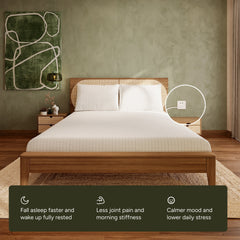
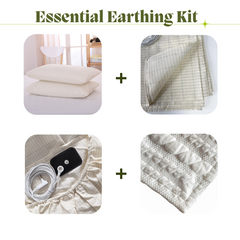
For grounding techniques for better sleep or earthing for chronic pain when you can’t be outdoors, indoor grounding methods offer consistency. Terra Therapy provides fitted grounding bedsheets, grounding bed mats, and Essential Grounding Starter Kits that make it simple to integrate earthing into nighttime routines or desk setups. To explore how mats may support comfort and daytime vitality, see this overview of Grounding bed mats.
What Is Earthing and How Does It Work
Earthing, also called grounding, is the practice of making direct skin contact with the Earth to equalize your body’s electrical potential with the planet’s. Because modern life keeps us insulated in shoes, cars, and high-rise buildings, daily earthing for health aims to reintroduce that connection. People most often do this by walking barefoot on grass, soil, or sand, or by using conductive materials indoors that are connected to a verified ground.
The proposed mechanism centers on the Earth’s stable, slightly negative electrical potential. Contact appears to rapidly lower the body’s surface voltage, which may reduce the impact of ambient electric fields and help normalize nervous system activity. Small studies have reported changes in cortisol rhythms, improvements in sleep parameters, and reductions in self-reported stress—supporting earthing benefits for stress relief. Other early research and user reports suggest potential benefits of earthing for chronic pain and inflammation, though larger, high-quality trials are needed.
Outdoors, focus on natural grounding practices that maximize conductivity and safety. Moist surfaces conduct best, and even short sessions can be helpful for many people.
- Walk barefoot on dewy grass, damp soil, or wet sand for 20–30 minutes.
- Use unsealed concrete; avoid asphalt, painted/sealed surfaces, and dry wood.
- Garden with bare hands or kneel on unpainted stone to increase contact time.
- Skip areas treated with chemicals or where sharp objects may be present.
When outdoor time isn’t practical, indoor grounding methods can help you maintain consistency. Conductive sheets and mats connected to a properly grounded outlet or dedicated ground rod can replicate the effect of outdoor contact, supporting grounding techniques for better sleep. Terra Therapy offers fitted grounding bedsheets and bed mats designed to bring this connection into your nighttime routine, along with an Essential Grounding Starter Kit for a simple setup. Always use an outlet tester to verify a true ground and follow product instructions for safe, effective use.
The Science Behind Grounding and Natural Energy
Grounding, or earthing, refers to direct skin contact with the Earth’s surface, allowing the body to equalize its electrical potential with the ground. The leading hypothesis is that electrons from the Earth may help neutralize excess free radicals, which can contribute to inflammation. Preliminary studies have also observed shifts in autonomic balance—measured by heart rate variability—suggesting a calmer nervous system response that aligns with daily earthing for health.
Research, while still emerging, has reported improvements in sleep quality, cortisol rhythm, and perceived stress in participants who were grounded during rest. These findings point to potential earthing benefits for stress relief and grounding techniques for better sleep, especially for those whose routines keep them indoors and under artificial light. As with any wellness practice, results vary and more rigorous trials are needed, but the early signals are promising.
Proposed mechanisms and outcomes include:
- Electrical charge balance: Reduces accumulated static charge and may lower physiological “noise” from environmental electromagnetic fields.
- Antioxidant support: Earth’s electrons may buffer oxidative stress, which is linked to pain and inflammation.
- Autonomic modulation: Increased parasympathetic activity can promote relaxation, aiding sleep and resilience under stress.
- Circulatory effects: Some small studies suggest changes in blood flow properties, which could support recovery and comfort.

Natural grounding practices can be as simple as 20–30 minutes of barefoot time on grass, soil, or sand, or gardening with bare hands. For indoor grounding methods, conductive products connected to a verified ground can extend the benefits overnight or at your desk. Terra Therapy offers fitted grounding bedsheets, grounding bed mats, and Essential Grounding Starter Kits that make it practical to maintain daily earthing for health when outdoor time is limited. For example, sleeping on a grounded sheet or using a mat under your feet while working are easy ways to explore earthing for chronic pain, stress management, and better sleep.
Common Health Issues Addressed by Regular Earthing
Many modern complaints—poor sleep, chronic stress, unexplained aches, daytime fatigue—are the kinds of issues people hope to ease with daily earthing for health. By making direct skin contact with the ground or a grounded surface, the body may shift autonomic balance and influence inflammation markers in preliminary studies. While evidence is still emerging and individual results vary, a consistent practice is low-effort and pairs well with other wellness habits.
For sleep, grounding techniques for better sleep include an evening barefoot walk on grass, light stretching on a patio, or using a grounded surface during the night. Some small trials have reported improved sleep onset and fewer awakenings when subjects were grounded, potentially by moderating cortisol rhythms. Terra Therapy’s Fitted Grounding Bedsheets and Grounding Bed Mats provide continuous contact so you can stack sleep-supportive habits like a cool, dark room and consistent bedtimes.
For mood and resilience, the earthing benefits for stress relief stem from downshifting into the parasympathetic state—think steadier heart rate and calmer breathing. If outdoor time is limited, indoor grounding methods help: place a grounding mat under your desk for short breaks, or rest your feet on a grounded surface during meditation. Terra Therapy’s Essential Grounding Starter Kits make these natural grounding practices straightforward to set up at home or in a workspace.
Common concerns people aim to address with regular grounding:
- Difficulty falling or staying asleep
- High baseline stress or anxiety during the workday
- Musculoskeletal discomfort after sitting or workouts
- Tension headaches and jaw tightness
- Low morning energy or afternoon slumps
- Jet lag and circadian disruption when traveling
When it comes to earthing for chronic pain, users often report gradual reductions in soreness and improved recovery when they combine short daytime sessions with grounded sleep. Try 20 minutes of barefoot time after exercise plus a grounded bed surface overnight to assess changes over two to four weeks. Earthing is not a medical treatment and shouldn’t replace care for diagnosed conditions, but integrating it consistently can be a gentle lever in a broader plan for sleep, stress, and pain management.
Easy Daily Earthing Practices for Busy Lifestyles
Pressed for time? You can still fold daily earthing for health into small windows you already have. Aim for brief, consistent sessions—5 to 20 minutes—on conductive surfaces like grass, soil, sand, or unsealed concrete. Pair it with what you’re doing anyway: sip your morning coffee barefoot, practice breathing exercises outdoors, or pause after a workout cooldown. Many people use these natural grounding practices to feel calmer and more centered during busy days.
Work micro-moments into your routine. While walking the dog or after school drop-off, stand barefoot on a debris-free patch of grass and take 10 slow inhales. Do light yardwork without shoes. On commutes, park a few minutes early and ground at a nearby green space. Short exposures add up across a week.
For offices or apartments, indoor grounding methods make it easier to be consistent. A grounding mat under your desk for feet or wrists can provide contact while you type or take calls. Terra Therapy’s Essential Grounding Starter Kits include an easy-to-use mat and cord, helping you maintain regular practice even in high-rise or winter conditions. Consistency is key; many users pair daytime contact with grounding techniques for better sleep to support steady energy and a calmer mood.
Evenings are ideal for unwinding. Try a barefoot sunset stroll, gentle stretching on the lawn, or a few pages of reading on a patio with unsealed concrete. To extend contact overnight, Terra Therapy’s Fitted Grounding Bedsheets or a bed mat can provide hours of passive grounding. Some sleepers report fewer nighttime awakenings and less perceived joint discomfort, aligning with commonly cited earthing benefits for stress relief and earthing for chronic pain.
Quick ideas you can schedule:
- 2-minute backyard reset between meetings
- 10-minute barefoot lunch break at a local park
- Post-run cooldown standing on grass or sand
- Travel tip: pack a portable grounding mat for hotel stays
Make it stick by habit-stacking (after coffee, after emails) and setting gentle reminders. Choose clean, safe outdoor areas, and follow manufacturer instructions for any indoor equipment, ensuring a properly grounded outlet. Terra Therapy offers clear setup guides and product options to fit varied routines and spaces.
Creating an Earthing Routine at Home

Building a sustainable routine turns daily earthing for health into second nature. Tie it to moments you already have—waking up, work breaks, and bedtime—so it doesn’t feel like “one more thing.” Consistency beats intensity, so aim for small daily doses you can maintain.
- Morning reset: Spend 10–15 minutes barefoot on grass or soil while you sip water or coffee. Combine with slow nasal breathing to tap earthing benefits for stress relief and set a calmer tone for the day.
- Midday micro-break: Step outside for 5–10 minutes with feet on natural ground, or do a brief walking meeting on a lawn. A few rounds of box breathing can deepen relaxation and help you re-focus.
- Evening wind-down: As the sun sets, sit or stand barefoot on earth for 20–30 minutes. Light stretching can complement earthing for chronic pain while signaling your body it’s time for sleep.
If outdoor time is limited, indoor grounding methods can fill the gap. Conductive options like Terra Therapy’s Fitted Grounding Bedsheets and Grounding Bed Mats connect to a grounded outlet, enabling indoor earthing/grounding while you sleep or work. Many users find this a practical way to maintain grounding techniques for better sleep and all-day calm; the Essential Grounding Starter Kit makes setup straightforward.
A few guidelines help you get more from natural grounding practices. Aim for at least 20–40 minutes per day and track changes with a simple sleep log or wearable to see if patterns improve. Slightly damp grass or a light spritz of water on dry soles can enhance contact, and removing thick insulating insoles helps. For safety, use only properly grounded outlets (check with a socket tester), follow product instructions, and consult your clinician if you have an implanted medical device or ongoing concerns.
Grounding Products That Support Your Wellness Journey
When getting outside isn’t practical, well-designed gear offers dependable indoor grounding methods that make daily earthing for health simple and consistent. These tools maintain gentle, ongoing contact with the ground port of a properly wired outlet or a verified grounding rod, and they pair well with natural grounding practices like barefoot walks or gardening when time allows.
Fitted grounding bedsheets create contact throughout the night, which can support grounding techniques for better sleep by making your routine effortless. Setup is straightforward: connect the cord to the sheet and a tested grounded outlet, then sleep as usual. Many users choose overnight use to explore earthing benefits for stress relief, as steady contact while winding down may feel calming.
Versatile mats are useful if you spend long hours at a desk, on the couch, or doing floor stretches. Place a grounding bed mat where your calves or feet rest, or keep a small mat under your keyboard hand for direct skin contact, which typically offers the strongest connection. Some people explore earthing for chronic pain or post-exercise soreness with a mat during recovery sessions, hydration and regular use in mind.
If you’re new to this space, starter bundles streamline everything you need to begin. A typical kit includes a mat or sheet, a grounding cord, and an outlet tester so you can verify a safe connection in minutes. For best results:
- Test every outlet before connecting, and use only grounded, three-prong receptacles.
- Aim for direct skin contact; a thin fabric layer can reduce conductivity.
- Route cords safely to prevent tripping and avoid ungrounded power strips.
- Clean surfaces with mild soap and water; avoid bleach or fabric softeners.
Terra Therapy offers fitted grounding bedsheets, grounding bed mats, and Essential Grounding Starter Kits designed to make daily earthing for health easy and repeatable. Their indoor options help you build a consistent routine at home or while traveling, so you can integrate earthing alongside other wellness habits.
Measuring Your Earthing Progress and Health Improvements
Start with a clear baseline. For one week, keep your routine unchanged and record key markers you care about—falling asleep time, nighttime awakenings, morning energy, stress level, and any pain. Define specific goals for your daily earthing for health plan, such as reducing sleep latency by five minutes, easing morning stiffness, or feeling calmer by midday.
Prioritize sleep metrics because they’re sensitive to change. If you use a tracker (Oura, Fitbit, Apple Watch), monitor sleep latency, wake after sleep onset, total sleep time, and sleep efficiency. When testing grounding techniques for better sleep, compare a grounded week to an ungrounded week. Terra Therapy fitted grounding bedsheets or bed mats provide reliable indoor grounding methods so your comparisons aren’t disrupted by weather or schedule shifts.

Track a concise set of signals to spot patterns without getting overwhelmed:
- Minutes grounded per day and method (natural grounding practices outdoors vs Terra Therapy bedsheet or mat)
- Morning energy 1–10
- Perceived stress 0–10 (or a brief weekly PSS-4 score)
- HRV and resting heart rate upon waking
- Pain 0–10 and any analgesic use
- Mobility checks (e.g., 30-second sit-to-stand, shoulder reach) and time to fatigue
- Sleep latency and nighttime awakenings
- Notes on confounders: caffeine, alcohol, late meals, screen time, travel, illness
Use your log to evaluate earthing benefits for stress relief by watching for steadier mood scores, fewer afternoon crashes, and improving HRV trends. For earthing for chronic pain, track flare frequency, morning stiffness minutes, tender point sensitivity, and how often pain interrupts sleep. Note timing as well—some people respond best to evening sessions, while mid-day grounding can ease stress before the evening wind-down.
Review after two to four weeks. Look for consistent 10–20% improvements that align with grounded days, then adjust duration or timing for stronger results. For year-round consistency, Terra Therapy’s Essential Grounding Starter Kits make it simple to combine outdoor time with dependable indoor sessions. Share your summary with a clinician if you’re managing ongoing conditions, and continue refining your routine as your data evolves.
Combining Earthing with Other Wellness Practices
Pairing daily earthing for health with habits you already practice can amplify results without adding complexity. Small studies suggest that grounding may help normalize cortisol rhythms and reduce perceived pain and inflammation, so it fits naturally alongside routines that regulate sleep, stress, and recovery. Start by identifying moments you’re already still—reading, meditating, working at a desk—and make those your grounding windows.
For sleep, combine grounding techniques for better sleep with core sleep hygiene. Keep a consistent bedtime, dim blue light after sunset, and sleep in a cool, dark room while using Terra Therapy Fitted Grounding Bedsheets to stay connected for several hours. If you prefer flexibility, a Terra Therapy Grounding Bed Mat at the foot of the bed lets you ground during wind-down rituals like stretching or reading before lights out.
To address stress, layer earthing with breathwork and mindfulness. Sit or stand on a Terra Therapy Grounding Bed Mat during a 5-minute box-breathing session (4-4-4-4) or a short body scan; many people report earthing benefits for stress relief when pairing grounding with these calming techniques. Track how you feel with a simple mood or HRV note so you can fine-tune timing and duration.
For discomfort and recovery, blend earthing for chronic pain with gentle movement and circulation-boosting habits. After a walk or mobility routine, spend 10 minutes grounded while doing legs-up-the-wall, foam rolling, or progressive muscle relaxation. Adequate hydration and protein, plus light stretching on a mat, can complement the anti-stress effects of natural grounding practices.
Try these simple stacks to make indoor grounding methods effortless:
- Morning: 5–10 minutes of sunlight and gratitude journaling while grounded on a Terra Therapy mat.
- Workday: Under-desk grounding during 50-minute focus blocks, adding one minute of nasal breathing between tasks.
- Training: Post-workout cooldown grounded, followed by hydration and a protein-rich snack.
- Evening: Gentle stretches on the mat, then sleep on Terra Therapy sheets; this one-two approach is practical daily earthing for health.
Terra Therapy’s Essential Grounding Starter Kits make it easy to test what timing works best, whether you favor outdoor barefoot time or reliable, indoor contact.
Conclusion: Making Earthing Part of Your Daily Life
Making daily earthing for health a lasting habit is about consistency, not perfection. Aim for small, repeatable touchpoints with the ground or a grounded surface throughout the day. Many people notice improvements in sleep quality, stress levels, and energy when they accumulate 20–40 minutes of contact over a 24-hour period.
Build your routine around moments you already have. Stand barefoot on grass or soil for 5–10 minutes while your coffee brews. Take a midday walk and pause at a park bench with your feet on the ground for box-breathing to reinforce earthing benefits for stress relief. In the evening, try grounding techniques for better sleep, such as gentle stretching on a grounded mat or reading in bed on a grounded sheet.
For reliable access—especially in bad weather or urban settings—indoor grounding methods make the practice effortless. Terra Therapy offers solutions that fit seamlessly into daily life:
- Fitted Grounding Bedsheets: Maintain gentle contact all night to support deeper rest, fewer awakenings, and a calm morning start.
- Grounding Bed Mats: Place at your desk or by the couch to stay grounded during work, meditation, or recovery sessions without changing your routine.
- Essential Grounding Starter Kits: A simple, plug-and-play way to begin natural grounding practices; use a grounded outlet and follow the included instructions for safe setup.
Track what matters so you can personalize your approach. Log bedtime, wake time, sleep latency, nighttime awakenings, mood, and energy; if relevant, include a simple pain score to observe earthing for chronic pain over a few weeks. Many people also monitor heart-rate variability or resting heart rate to see trends. Reassess after 14–21 days and adjust duration, timing, or products as needed.
Use common-sense safety: avoid earthing outdoors during lightning or on contaminated surfaces, and connect indoor products only to properly grounded outlets (a socket tester can help). Wash grounding linens per care guidelines and consult your clinician if you have implanted electronic devices. If you’re ready to begin, Terra Therapy’s bedsheets, mats, and starter kits provide dependable, indoor grounding methods that make daily practice simple and sustainable.